Simon Forman: The Astrological Pioneer and His Colourful Legacy
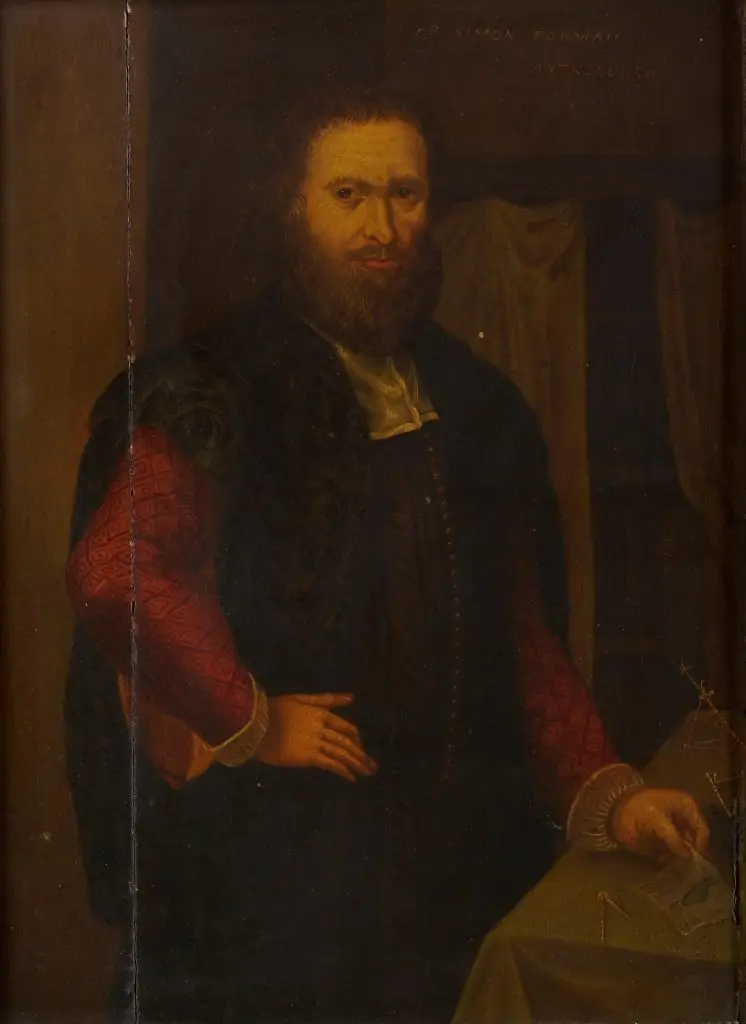
Simon Forman, a figure draped in both intrigue and controversy, stands out as one of the most notable astrologers of the late 16th and early 17th centuries. His life, marked by bold pursuits and scandalous episodes, offers a fascinating glimpse into the world of astrology during the Elizabethan era. This article delves into Forman’s astrological works and his vibrant character, shedding light on why he remains a significant figure in the history of horoscopes and astrology.
Early Life and Education
Born in 1552 in Wiltshire, England, Simon Forman’s early life was relatively modest. Despite financial constraints, his determination led him to self-educate, eventually studying at Oxford. His interests spanned various disciplines, but it was his fascination with astrology that defined his career. Forman’s early exposure to astrology was largely self-driven, fueled by an insatiable curiosity about the stars and their influence on human affairs.
Astrological Works and Contributions
Forman’s contributions to astrology are substantial. He practiced judicial astrology, which involves predicting events based on the positions and movements of celestial bodies. His work primarily focused on horary astrology, a branch that answers specific questions by casting a horoscope for the exact time the question is posed. This technique remains popular among astrologers today.
One of Forman’s notable works is his collection of casebooks, which he meticulously maintained over his career. These casebooks, comprising thousands of astrological consultations, provide a rich source of historical data. They offer insights into the types of questions people asked—ranging from health and love to financial concerns—and Forman’s corresponding astrological interpretations. These casebooks are invaluable for understanding the practical application of astrology in Elizabethan England.
Forman’s predictions were often bold and public. He famously predicted the outcome of the Spanish Armada’s attempted invasion in 1588, claiming that the stars foretold England’s victory. Such predictions bolstered his reputation, attracting a diverse clientele, including nobility and commoners alike.
The Colourful Character of Simon Forman
Forman’s life was as colourful as his astrological predictions. He was known for his flamboyant personality and unorthodox methods. His confidence in his abilities often bordered on arrogance, a trait that both intrigued and repelled those around him. This self-assuredness led him to take risks that many of his contemporaries would have avoided.
His personal life was equally tumultuous. Forman was entangled in numerous scandals, many of which involved accusations of practicing magic and necromancy. While such accusations were common for astrologers of the time, Forman’s case was exacerbated by his audacious behavior and his willingness to flout societal norms. He openly admitted to using magical practices, which, combined with his astrological work, painted him as a figure of suspicion and fascination.
Medical Practice and Astrology
In addition to his astrological pursuits, Forman was also a practitioner of medicine. He believed in the interconnectedness of the stars and human health, an approach that led him to blend medical treatment with astrological readings. This practice, known as astrological medicine, was based on the premise that celestial bodies influence the physical and mental well-being of individuals.
Forman’s medical practice was controversial. He often clashed with the College of Physicians, the official body regulating medical practice in England. Despite repeated attempts by the College to curtail his activities, Forman continued to practice, largely because of his significant popular support. His success in treating patients, coupled with his astrological insights, earned him a loyal following.
Legacy and Impact on Astrology
Simon Forman’s legacy is multifaceted. His astrological casebooks, now housed in the Bodleian Library at Oxford, remain a critical resource for historians and astrologers. They offer a detailed record of astrological practice and the types of issues that preoccupied people during his time.
Forman’s approach to astrology was innovative. He treated astrology not just as a predictive tool but as a comprehensive system for understanding the human condition. This holistic approach influenced subsequent generations of astrologers, who continued to develop and refine astrological techniques.
Moreover, Forman’s willingness to publicly defend and promote astrology helped to legitimize the field during a time when it was often viewed with skepticism. His bold predictions and their occasional success demonstrated the potential of astrology to provide meaningful insights into worldly events.
Controversies and Criticisms
Despite his contributions, Forman’s career was not without controversy. His involvement in various scandals, including accusations of sorcery and illicit affairs, tarnished his reputation. His death in 1611, under somewhat mysterious circumstances, only added to his enigmatic persona.
Critics of Forman often pointed to his unorthodox methods and his defiance of medical and societal norms. His conflicts with the College of Physicians highlight the tension between traditional medical practices and emerging astrological and magical approaches to health and well-being.
Conclusion
Simon Forman’s life and work offer a captivating portrait of an astrologer who was unafraid to challenge conventions and pursue his passions with fervor. His contributions to astrology, particularly in the realm of horary and judicial astrology, laid important groundwork for future developments in the field. Despite the controversies that surrounded him, Forman’s legacy endures, providing valuable insights into the history of astrology and its enduring appeal.
For those interested in horoscopes, astrology, and the historical figures who shaped these practices, Simon Forman stands out as a pivotal character. His colourful life, marked by both brilliance and scandal, reflects the complex interplay between astrology and society during one of the most dynamic periods in English history. Simon Forman’s impact on astrology is undeniable, making him a fascinating subject for both historical and astrological study.